Decentralized Exchanges (DEX) and Their Impact on Trading

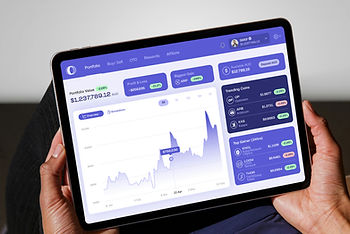
Decentralized exchanges, or DEXs, have transformed how people trade cryptocurrencies. Unlike traditional exchanges, DEXs operate without a central authority, offering users more control over their assets. This shift has sparked interest and debate in the trading community. To understand why DEXs matter, it helps to explore what they are, how they work, and the effects they have on trading practices.
What Is a Decentralized Exchange?
A decentralized exchange is a platform that allows users to trade cryptocurrencies directly with one another without relying on an intermediary. Unlike centralized exchanges, which hold users' funds and manage trades through a central system, DEXs use blockchain technology to enable peer-to-peer transactions. This means users keep control of their private keys and funds at all times. Trades happen through smart contracts—self-executing agreements coded on the blockchain. These contracts automatically match buy and sell orders, execute trades, and update balances without human intervention.
How Do DEXs Work?
DEXs operate on blockchain networks like Ethereum, Binance Smart Chain, or others that support smart contracts. Here’s a simplified breakdown of the process:
User connects wallet: Traders connect their cryptocurrency wallets (such as MetaMask) to the DEX interface.
Place orders: Users submit buy or sell orders for tokens they want to trade.
Smart contract matches orders: The smart contract finds matching orders and executes trades automatically.
Funds remain in wallets: Since the exchange never holds funds, users maintain custody throughout the process.
Transaction recorded on blockchain: Every trade is recorded transparently on the blockchain ledger.
This setup reduces risks associated with centralized exchanges, such as hacks or mismanagement of funds.
Advantages of Using a DEX
Decentralized exchanges offer several benefits that appeal to traders and crypto enthusiasts:
Greater security: Users retain control of their assets, lowering the risk of losing funds through exchange hacks.
Privacy: No need to provide personal information or complete KYC (Know Your Customer) processes on many DEXs.
Access to a wider range of tokens: DEXs often list tokens that are not available on centralized platforms.
Reduced censorship: Since no central authority controls the platform, it is harder to block or restrict trades.
Lower fees: Some DEXs have lower trading fees compared to centralized exchanges.
For example, Uniswap, one of the most popular DEXs, allows anyone to swap Ethereum-based tokens instantly without intermediaries.
Challenges and Limitations of DEXs
Despite their benefits, decentralized exchanges face some challenges:
Liquidity issues: Some DEXs struggle with low liquidity, which can lead to higher price slippage during trades.
User experience: The process of connecting wallets and managing private keys can be confusing for beginners.
Transaction speed and cost: Trades depend on blockchain network speed and gas fees, which can be high during congestion.
Limited fiat integration: DEXs generally do not support direct fiat currency deposits or withdrawals.
Regulatory uncertainty: The decentralized nature makes it difficult for regulators to oversee these platforms.
These factors mean that while DEXs are growing in popularity, they may not yet replace centralized exchanges for all users.
Real-World Impact on Trading
The rise of DEXs has influenced the trading landscape in several ways:
Empowering users: Traders now have more control over their funds and trading decisions.
Innovation in finance: DEXs have paved the way for decentralized finance (DeFi) applications, such as yield farming and liquidity pools.
Market accessibility: Anyone with an internet connection and a crypto wallet can participate in global markets without barriers.
Price discovery: Transparent blockchain records improve price discovery and reduce manipulation risks.
Competition for centralized exchanges: Traditional exchanges are adapting by integrating decentralized features or launching their own DEX platforms.
For instance, platforms like SushiSwap and PancakeSwap have introduced new models for liquidity provision and rewards, attracting millions of users.
What to Consider Before Using a DEX
If you are thinking about trading on a decentralized exchange, keep these points in mind:
Understand wallet security: Protect your private keys and use hardware wallets if possible.
Check liquidity: Look for DEXs with sufficient trading volume to avoid slippage.
Be aware of fees: Gas fees can vary widely depending on the blockchain.
Start small: Test the platform with small trades before committing larger amounts.
Stay informed: Follow updates on the platform and blockchain network to avoid surprises.
By taking these precautions, you can make the most of what DEXs offer while minimizing risks.


Comments